
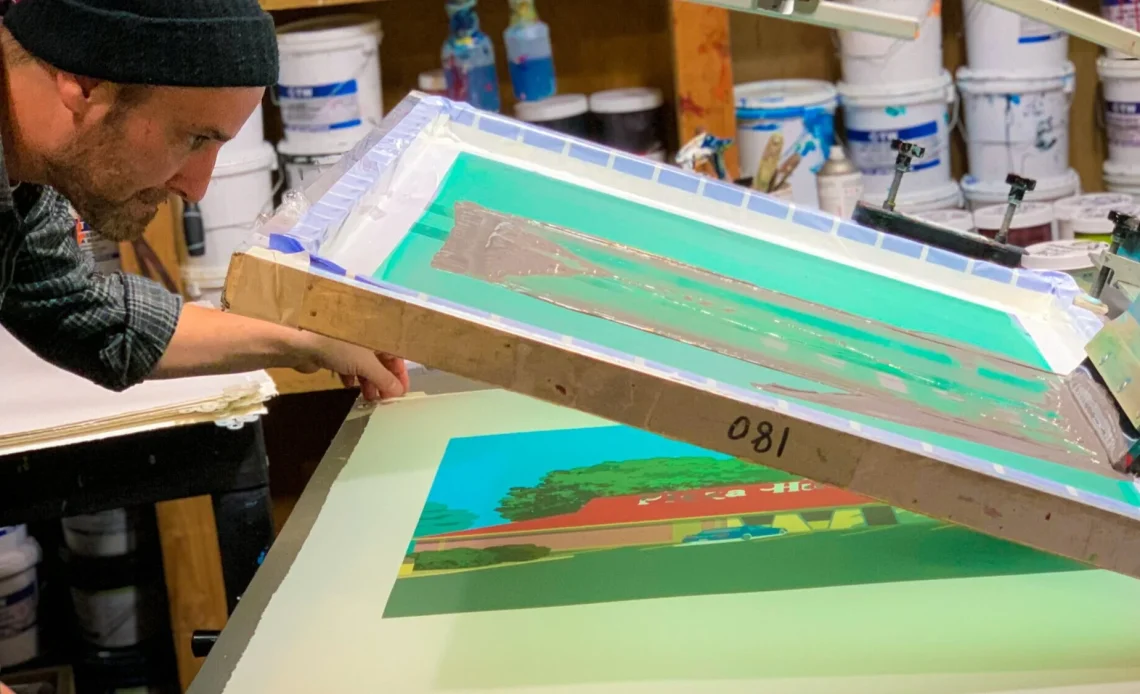
The world of art often feels very digital. Modern machines produce thousands of copies every single hour. Many people appreciate the speed of these printers. However, true collectors seek something much more personal. They want a physical connection to the artist’s vision. The screen printed posters and flatstock offer a unique tactile beauty. This traditional method relies on human touch and skill. Every piece feels like a singular work of art. Digital prints often look flat and very repetitive. Screen printing creates a heavy layer of real ink. You can feel the texture on the heavy paper. This specific craft defines the soul of modern gig posters. Collectors love the vibrant colors of these handmade items.
The Physical Process of Layering Ink
Traditional printing starts with a fine mesh screen. The artist prepares a stencil for each individual color. Now, the printer pushes thick ink through the mesh. This process creates a very rich and deep finish. Digital machines simply spray tiny dots of liquid ink.
But screen printing lays down a solid physical coat. This creates a raised surface on the paper fibers. The colors look much brighter and more saturated here. Sometimes, the ink even catches the light beautifully. You see the depth that digital copies always lack. The ink sits on top of the heavy stock. This makes the final image pop with amazing energy. Print Renegades understands this complex dance of ink and pressure.
The Beauty of Intentional Human Imperfections
Digital files always produce a perfect and sterile copy. Every single print looks exactly like the previous one. However, the screen printing process welcomes small unique variations. The pressure of the squeegee changes with every pull. This creates tiny differences in the ink coverage area. Now, these small shifts give the art real character. You own a piece that is truly one of a kind. The alignment might shift by a tiny hair’s breadth. This creates a vintage feel that people really crave. Digital prints lack this organic and gritty human soul. The machines do not understand the beauty of grit. Each print tells a story of the physical labor.
Superior Durability and Material Quality
Flatstock prints use archival paper and lightfast pigment inks. These materials last for many decades without fading away. Digital prints often use thin paper and cheap dyes. The colors might shift after just a few years. But screen printed art stays vibrant for a lifetime. The heavy paper handles the thick ink layers well.
The Timeless Appeal of the Press
The tactile nature of flatstock printing remains totally unmatched. Digital technology provides speed but lacks a certain warmth. Screen printing bridges the gap between art and industry. It turns a simple poster into a heavy masterpiece. You feel the weight of the ink and paper. The process requires patience and a very steady hand.
This dedication shows in the final polished product. Collectors will always prefer the handmade over the automated. The smell of the ink brings the studio home. Digital prints will never capture this specific sensory experience. The craft stays alive through the passion of printers. This tradition continues to define the best modern posters. Selection of the right method changes the entire result. Choice of handmade art reflects a love for quality.