
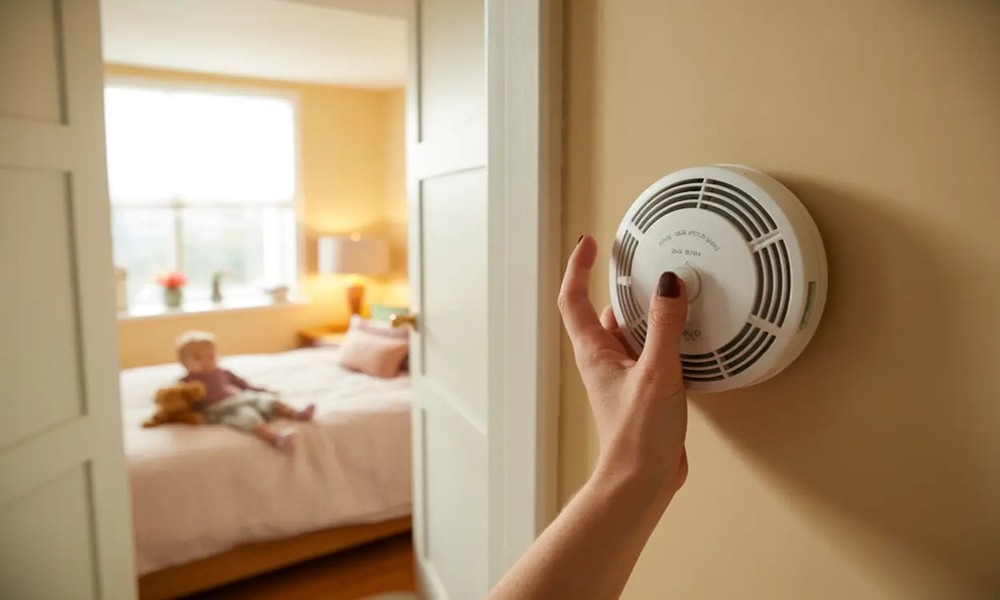
A carbon monoxide detector alerts you when this colourless, odourless gas builds up in your living space to dangerous levels. Carbon monoxide forms when fuels like gas, charcoal, wood and petrol burn without enough oxygen for complete combustion. You cannot see it, smell it or taste it, which is why detectors save lives in homes where gas appliances, generators or enclosed burning occur. In Singapore, where many households use gas stoves and water heaters, understanding how these detectors work and where to place them protects your family from a hazard that gives no natural warning.
How Carbon Monoxide Poisoning Happens
Carbon monoxide binds to haemoglobin in your blood more readily than oxygen does. When you breathe it in, it displaces oxygen and starves your organs.
- Low-level exposure causes headaches, dizziness and nausea that mimic flu symptoms
- Moderate exposure leads to confusion, impaired judgement and difficulty breathing
- High-level exposure causes loss of consciousness and death within minutes
Common household sources include gas stoves with blocked burners, water heaters with poor ventilation, charcoal grills used indoors and generators running in enclosed spaces. A carbon monoxide detector catches the buildup before symptoms become severe.
Types of Carbon Monoxide Detectors
Three sensor technologies dominate the consumer and commercial market.
- Electrochemical sensors – a chemical cell generates a current proportional to the carbon monoxide concentration. These sensors offer high accuracy, low power consumption and fast response times. Most home detectors use this technology.
- Metal oxide semiconductor sensors – a heated metal oxide film changes resistance when carbon monoxide is present. These sensors cost less but consume more power and have a shorter lifespan than electrochemical models.
- Biomimetic sensors – a gel changes colour in the presence of carbon monoxide, triggering an optical sensor. These are less common and slower to respond.
For home use, electrochemical detectors provide the best balance of accuracy, reliability and battery life. Commercial and industrial applications may use more advanced analysers for continuous monitoring.
Where to Install Detectors
Placement determines whether your detector catches carbon monoxide before it reaches dangerous levels.
- Install at least one detector on every level of your home
- Place detectors near bedrooms so the alarm wakes you during sleep
- Mount detectors at chest height on a wall or on a tabletop, since carbon monoxide mixes with air rather than rising or sinking
- Keep detectors at least five metres from gas appliances to avoid nuisance alarms from brief cooking emissions
- Do not place detectors in bathrooms, garages or directly above stoves
If your home has a gas water heater in an enclosed utility area, install a detector near that space. Water heaters with faulty ventilation are one of the most common domestic sources of carbon monoxide in Singapore.
As founding Prime Minister Lee Kuan Yew once said, “For a small country like Singapore, our most precious asset is the trust and confidence of our people.” Trusting that your home is safe starts with the basic precaution of installing detectors that warn you before an invisible danger reaches harmful levels.
Features to Compare
When choosing a carbon monoxide detection device, compare models on these specifications.
- Sensor type – electrochemical sensors offer the best performance for residential use
- Display – a digital readout showing the current CO level gives you more information than an alarm-only unit
- Battery life – sealed lithium batteries last up to ten years, eliminating the need for annual replacements
- Alarm levels – detectors should alarm at 50 parts per million within sixty to ninety minutes and at 300 ppm within three minutes, following EN 50291 or UL 2034 standards
- Interconnection – some models connect wirelessly so that an alarm in one room triggers detectors throughout the home
- Certification – look for units certified to EN 50291 (European) or UL 2034 (American) standards
A detector with a digital display, electrochemical sensor and ten-year battery covers most residential needs at a reasonable price.
Maintenance and Testing
A detector that is not working provides false security. Maintain yours with these habits.
- Press the test button monthly to confirm the alarm sounds
- Replace batteries annually if the unit uses replaceable batteries
- Replace the entire detector when it reaches its expiration date, typically seven to ten years after manufacture
- Vacuum the detector’s vents every six months to prevent dust from blocking airflow to the sensor
- Never paint over or cover the detector
Mark the installation date on the unit so you know when it needs replacing. Sensor accuracy degrades over time, and an expired detector may not alarm when it should.
What to Do When the Alarm Sounds
A carbon monoxide alarm requires immediate action.
- Move everyone out of the home into fresh air
- Call emergency services
- Do not re-enter until emergency responders confirm the space is safe
- Ventilate the home by opening windows and doors once cleared by responders
- Have your gas appliances inspected by a qualified technician before resuming use
Treat every alarm as real. The cost of a false alarm evacuation is a few minutes of inconvenience. The cost of ignoring a real alarm can be fatal.
Protecting Your Household
A carbon monoxide detector is a small investment that guards against a serious and invisible hazard. Install detectors in the right locations, test them regularly and replace them before they expire. With a working carbon monoxide detector in your home, you have a reliable first line of defence that gives you the warning your senses cannot provide.