
At a Glance:
- Wooden crates offer strength and load-bearing stability that outperforms cardboard or plastic crates for packaging heavy loads.
- Timber absorbs impact and vibration, protecting sensitive items during handling, storage and transport.
- Custom-built wooden crates support oversized or irregular items, ensuring a secure fit and controlled weight distribution.
Heavy industrial goods require packaging that can withstand weight, movement and rough handling. With the supply chain and logistics industries pushing for higher throughput to meet global demand, shipments face frequent handling and structural risks. This pressure has prompted businesses to seek reliable packaging options to secure cargo.
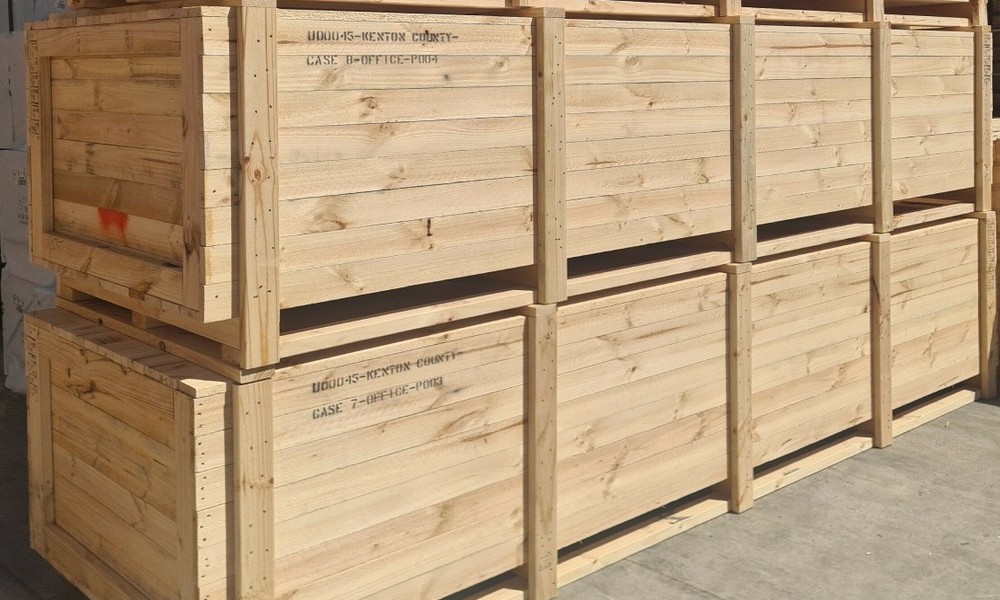
Wooden crates continue to stand out because of their strength, rigidity, load-bearing stability and cost efficiency. These qualities give them an advantage over other packaging materials such as cardboard, plastics and metals. Wooden crates retain their shape under compression, support secure stacking and deliver consistent performance across various transport modes.
Here, we discuss the reasons wooden crates excel over other packaging options for handling heavy loads. You will understand the key structural, protective and practical advantages of using wooden crates for transporting heavy goods compared to the alternatives.
Superior Strength and Structural Integrity
Timber crates outperform their plastic and cardboard counterparts by providing the strength and protection needed for transporting heavy loads. They distribute cargo weight across their wooden platforms and withstand high compressive loads without bending or breaking. Industries choose wooden crates for packing heavy machinery, precision equipment, and other industrial components.
Their structural integrity also holds up when stacked, a critical requirement in warehouses and on long freight routes. Export-grade wooden crates maintain their shape during transport and support secure stacking, making them an ideal packaging solution for multi-level racking, high-density stacking and extended storage periods.
Better Impact Resistance and Shock Absorption
Timber’s natural shock-absorbing qualities give wooden crates a clear advantage when transporting sensitive or high-value items. The fibres in protective timber packaging diffuse vibration and impact, which provides an added layer of security for equipment exposed to long-haul conditions.
During handling, such as forklift transfers, crane lifts or loading, wooden crates help prevent damage by absorbing and spreading force. This reduces the risk of cracks, dents and internal movement that could occur with less durable packaging materials like plastic or cardboard.
Custom-Built Designs for Oversized and Irregular Loads
Custom wooden crates are tailored to the exact dimensions of large machinery, medical equipment or any uniquely shaped items. This custom approach provides a secure fit and greater stability than regular cardboard or plastic containers. Custom packaging also reduces internal movement and maintains steady weight distribution during transport.
In addition to precise sizing, timber crates can incorporate blocking, bracing and cushioning to meet each item’s specific handling needs. Such versatility ensures that crates can safely protect oversized and irregularly-shaped items. The durability of wooden crates in custom applications makes them a preferred choice for industries that cannot rely on standard packaging formats.
Weather Resistance and Easy Repairability
Wooden crates are designed for long-term storage in variable weather conditions. They generally perform better than alternatives under typical temperature changes or ambient moisture. Their strength and load-bearing capacity are reliable across temperature fluctuations, humidity changes and seasonal weather variations.
Durability is further supported by the ability to repair the pallet instead of requiring total replacement. If a panel cracks or the fastenings loosen, you can replace components easily without disposing of the entire crate.
Cost-Effective Packaging Solution
While heavy-duty wooden crates may have a higher upfront cost than cardboard or basic plastic options, they provide long-term value. Their durability allows them to be reused in multiple freight cycles, which reduces the need for frequent replacements. Moreover, you can repair them to restore their strength, reducing replacement costs. For businesses handling repeated shipments, wooden crates are the cost-effective choice.
Compared to metal containers, wooden crates are more affordable. Offering similar strength, impact resistance and durability at a much lower cost makes wooden crates a wiser choice than metal alternatives. Furthermore, metal packaging increases cargo weight, driving higher fuel use, while wooden crates reduce transport costs without sacrificing protection.
The superior protection of wooden crates reduces the likelihood of cargo being returned or reshipped, further reducing your business costs.
Wooden crates outperform other packaging materials because they offer the strength, stability and impact resistance needed to transport complex loads. They can support weight, withstand stress and accommodate irregular items, giving them a clear advantage over cardboard, plastics and lightweight metals.
Their long lifespan and simple repairability make timber crates a smart choice for repeated shipments. These strengths highlight why timber remains one of the most dependable options for transporting heavy goods through demanding supply chains.
If you’re looking for dependable packaging for heavy loads, partnering with a reliable wooden crate supplier ensures your goods stay safe and secure.