
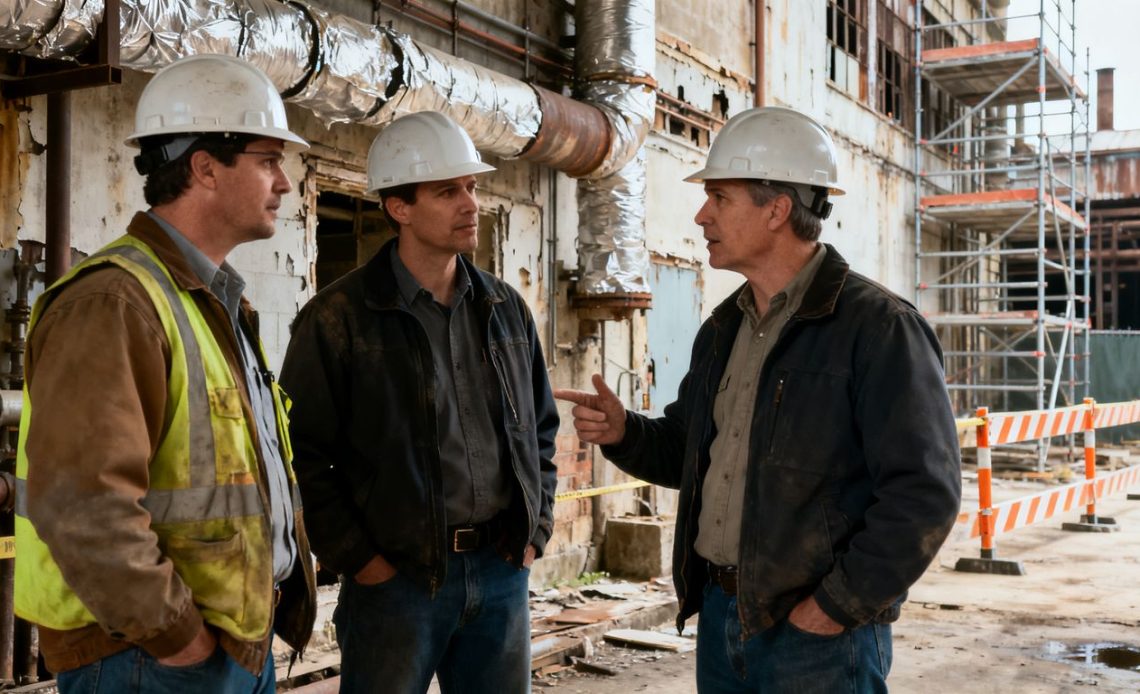
Mesothelioma is an uncommon cancer that develops in the thin lining around organs, most often the lungs. The strongest established occupational connection is exposure to asbestos, a group of heat-resistant mineral fibers once used widely in construction and industry. Understanding that connection helps explain why mesothelioma risk construction workers face can remain relevant long after a job has ended.
How asbestos fibers can damage the body
Asbestos-containing materials can release tiny fibers when they are cut, drilled, sanded, broken, or worn down. A worker may inhale or swallow those fibers, which can become lodged in tissue and trigger persistent irritation. Over many years, that irritation may contribute to diseases including mesothelioma, although exposure does not mean that a person will definitely develop cancer.
Why mesothelioma may develop decades after exposure
Mesothelioma often has a long latency period. Changes in the body may progress quietly for decades before symptoms become noticeable, so a person diagnosed later in life may have difficulty connecting the illness to an early job. A construction exposure overview can help explain why older workplace conditions still matter when a healthcare provider reviews a patient’s history.
The difference between occupational and secondary exposure
Occupational exposure happens when a worker encounters asbestos at a job site, such as while installing insulation or repairing equipment. Secondary exposure can occur when fibers are carried home on clothing, shoes, tools, or hair and are then encountered by household members. The distinction is useful for tracing possible sources, but both situations deserve careful attention and professional guidance.
How cumulative exposure affects long-term risk
Risk is shaped by factors such as the intensity, duration, and frequency of exposure, as well as the type of work being performed. A single brief encounter and repeated dust-producing work are not equivalent, yet even a person who remembers only occasional exposure should preserve the available details. Exposure history deserves careful documentation because several jobs may collectively provide information that one employer’s records do not.
Why construction workers face mesothelioma risk
Construction work frequently changes the condition of existing buildings. Renovation, repair, and demolition can disturb materials that were installed decades earlier, including products that workers cannot identify by appearance alone. For that reason, mesothelioma risk construction workers encounter is tied not only to a trade but also to the age and condition of the structure.
Asbestos in older buildings and renovation materials
Older structures may contain asbestos in insulation, roofing products, floor tiles, ceiling materials, wallboard compounds, pipe coverings, or other building components. Its historical use was connected to properties such as heat resistance and durability. The presence of an older material does not establish that it contains asbestos, so it should be evaluated rather than assumed safe or hazardous without testing.
Demolition, remodeling, and repair activities that disturb asbestos
A project can create exposure when walls, ceilings, floors, roofs, pipes, or mechanical systems are opened or removed. Demolition may produce substantial dust, while a small repair can disturb a localized material in an enclosed area. Before work begins, a qualified assessment can identify materials that require special controls and prevent ordinary construction practices from being used inappropriately.
How cutting, drilling, sanding, and removal release fibers
Mechanical actions can break asbestos-containing products into smaller pieces and send fibers into the air. Dry sweeping and careless cleanup may spread the contamination beyond the original work area. Workers should stop when suspect material is encountered and follow the site’s asbestos procedures rather than trying to finish a task based on its apparent size.
Why workers may be exposed without seeing or smelling asbestos
Asbestos fibers are too small to be reliably identified by sight, and the material has no distinctive warning odor. Dust that looks ordinary may contain fibers, while clean-looking work areas may still require controlled practices. A research review of construction risks provides broader occupational context, but site-specific evaluation remains necessary for any active project.
Industrial jobs and worksites linked to asbestos exposure
Industrial settings historically used asbestos for insulation, fire resistance, gaskets, electrical components, and other purposes. Workers in shipyards, utilities, factories, and large maintenance operations could encounter it during installation, inspection, repair, or replacement. The risk depends on the materials present and the work process, not simply on the name of the facility.
Shipyards, power plants, and manufacturing facilities
Shipyards and power plants often contained extensive thermal insulation around boilers, pipes, turbines, and other equipment. Manufacturing facilities could also use asbestos-containing materials in machinery, buildings, or production systems. Disturbance during shutdowns, equipment changes, and maintenance may expose workers who did not originally install those materials.
Insulation, roofing, plumbing, and electrical work
Insulators may have handled pipe or duct coverings, while roofers, plumbers, and electricians could work around roofing products, pipe components, panels, or fire-resistant materials. Tasks often overlap, placing one trade near another trade’s dust. A worker’s account should therefore include both the assigned task and the surrounding activity at the site.
Maintenance and equipment repair in aging facilities
Maintenance personnel may enter areas that are rarely accessed by other workers. They can encounter deteriorating insulation, old gaskets, packing, cement products, or dust accumulated around equipment. Opening a system or removing a component may disturb material that had remained undisturbed for years, making planning and isolation important parts of the job.
How changing worksites can increase cumulative exposure
A contractor may work at dozens of buildings over a career, and each site can have a different history, maintenance culture, and hazard-control program. Records may be scattered across employers, subcontractors, unions, and public agencies. Keeping a personal timeline of projects, trades, dates, and unusual dust events can make a later occupational-health review more complete.
Workplace conditions that increase exposure
Asbestos exposure is influenced by the environment surrounding a task. Poor airflow, damaged materials, weak housekeeping, and incomplete training can allow fibers to move beyond the initial work area. These conditions can affect workers nearby as well as the person directly handling the material.
Inadequate ventilation and airborne fiber movement
Air currents can carry airborne particles through doorways, corridors, shared work areas, and ventilation systems. Enclosed spaces may allow dust to remain concentrated, while fans or improvised airflow can move it to clean zones. Proper isolation and controlled ventilation should be designed for the task instead of relying on ordinary building airflow.
Damaged materials and uncontrolled dust
Cracked, crumbling, or water-damaged products may release fibers more readily when touched or disturbed. Dust becomes a greater concern when workers dry sweep, use compressed air, or carry debris through occupied areas. Wet methods, careful handling, and regulated cleanup practices can reduce unnecessary spread when they are appropriate for the material and task.
Gaps in hazard communication and asbestos training
Workers may face preventable exposure when they are not told which materials were surveyed, where restricted areas are located, or what procedures apply. New hires and subcontractors can be especially vulnerable if site information is informal or incomplete. Effective training should explain recognition, reporting, protective measures, and the limits of ordinary dust masks or casual cleanup.
Contaminated clothing, tools, and vehicles
Fibers can cling to work clothes, footwear, tools, and vehicle interiors. Moving those items from a controlled area to a break room, home, or another job site can extend exposure beyond the original task. A clear decontamination process, dedicated equipment where needed, and appropriate disposal or laundering arrangements help keep work materials from becoming household materials.
How employers and workers can reduce asbestos exposure
The safest approach is to identify and control asbestos before construction or maintenance starts. Employers have duties under applicable workplace and environmental rules, while workers should report suspect materials and follow the project’s written procedures. Prevention is more reliable when planning happens before dust is generated.
Identifying asbestos-containing materials before work begins
A building survey or other qualified assessment may be needed before renovation, demolition, or repair. Visual inspection alone cannot reliably determine the contents of many products. Work plans should account for the location, condition, and anticipated disturbance of suspect materials, with access restricted until the appropriate evaluation is complete.
Using licensed professionals for testing and removal
Testing and removal should be handled by professionals who meet the licensing, training, and regulatory requirements that apply in the jurisdiction. Untrained workers should not collect samples casually or remove suspect materials as part of ordinary work. Professional involvement can establish the correct methods, boundaries, notifications, and disposal arrangements.
Following regulated containment and cleanup procedures
Controls may include isolating the work area, limiting access, using appropriate wet methods, controlling waste, and performing documented cleanup and clearance steps. The precise requirements vary by project and jurisdiction. Workers should ask for the site procedure before starting and report any breach, damaged containment, or unexpected material promptly.
Wearing appropriate respiratory and protective equipment
Respiratory protection is only one part of an asbestos-control program. It must be selected, fitted, maintained, and used within a broader plan that includes training, protective clothing, exposure controls, and decontamination. A disposable dust mask should not be treated as a universal substitute for regulated respiratory protection.
Preventing fibers from being carried home
Workers should change and decontaminate according to the employer’s procedure before leaving a controlled area. Contaminated clothing should not be shaken, taken home, or washed with household laundry. Families can also benefit from learning about secondary asbestos exposure, particularly when a worker’s clothing, tools, or vehicle may have contacted suspect dust.
Recognizing health concerns after occupational exposure
Many people who worked around asbestos remain healthy, and symptoms alone cannot diagnose mesothelioma. Respiratory complaints can arise from infections, smoking-related disease, allergies, or other conditions. Still, a history of occupational exposure gives a clinician useful context when deciding whether persistent symptoms need further evaluation.
Common early symptoms that can have other causes
Possible symptoms may include shortness of breath, chest discomfort, a persistent cough, fatigue, or unexplained weight changes. Those signs are not specific to mesothelioma and should not be interpreted as proof of an asbestos-related illness. The appropriate response is a medical assessment rather than self-diagnosis or reassurance based solely on how mild a symptom seems.
When persistent symptoms warrant medical evaluation
Symptoms that continue, worsen, interfere with ordinary activity, or occur with concerning changes should be discussed with a healthcare provider. Urgent symptoms such as severe breathing difficulty or sudden chest pain require immediate medical attention. A clinician can determine what examination, imaging, or other testing is appropriate.
Sharing work history with healthcare providers
A healthcare provider should be told about employers, job titles, work locations, dates, materials handled, and whether protective controls were used. Even approximate information can be helpful if it identifies a pattern of exposure. The worker should also mention household exposure concerns and bring available occupational records when possible.
Why routine medical follow-up may be important after exposure
There is no single follow-up schedule suitable for every exposed worker. Medical monitoring decisions depend on exposure history, current health, smoking history, age, and clinical judgment. Regular care gives a provider an opportunity to review new symptoms and address other respiratory risks without promising that screening will prevent or detect every case.
Steps workers can take after suspected asbestos exposure
A suspected exposure can feel difficult to reconstruct, especially when it occurred years earlier or across multiple employers. Practical steps include preserving records, seeking qualified health information, and learning which workplace or legal processes may apply. Taking action does not establish that an illness was caused by asbestos, but it can make later decisions more informed.
Documenting employers, job sites, and types of work
Workers should write down employers, dates, job titles, project addresses, trades, products handled, visible dust conditions, and names of coworkers or supervisors who may remember the work. Pay records, union documents, training certificates, photographs, and safety notices may help fill gaps. The record should distinguish direct handling from nearby work and should avoid guessing when a detail is unknown.
Finding reliable occupational health information
Information should come from occupational-health clinicians, public health agencies, workplace-safety authorities, and other sources with clear medical or regulatory expertise. General web pages can provide background, but they should not replace a professional evaluation. A guide to asbestos exposure options may help a worker identify questions to ask while reviewing health and employment records.
Understanding workers’ compensation and legal considerations
Workers’ compensation rules, filing deadlines, evidence requirements, and available benefits differ by state and by employment situation. A diagnosis or exposure history may involve more than one employer, contractor, or insurer. A qualified occupational-health or legal professional can explain the applicable process without assuming that every claim will have the same outcome.
Protecting household members from potential secondary exposure
If clothing, tools, or a vehicle may have been contaminated, the worker should avoid shaking or cleaning those items without guidance. Household laundry should be kept separate until a qualified professional advises on safe handling. Medical or occupational-health advice can clarify whether a family member needs evaluation, while careful decontamination helps prevent additional contact.