
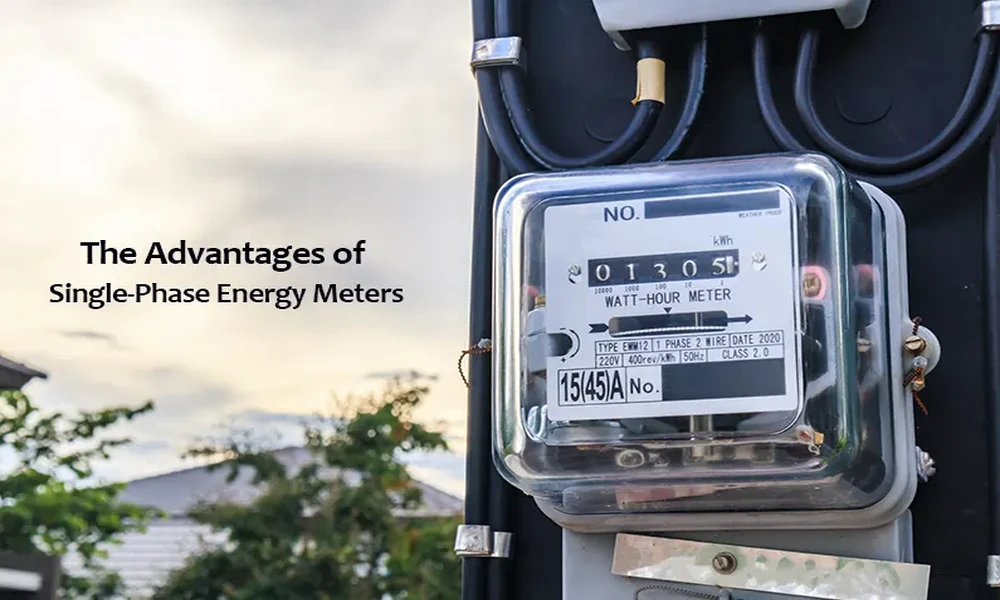
India’s power sector has always had two parallel stories running at once: the ambition of universal electrification and the grind of keeping a creaking distribution system financially afloat. What’s changed in the last few years is that technology has started to close that gap. At the heart of it is the humble meter.
A single-phase meter connection, once just a billing point at the edge of the grid, is now a data node feeding intelligence back into the network in near real time.
Why the Old System Could No Longer Hold
For decades, India’s electricity distribution ran on a model built for a simpler era. Meter readers made monthly rounds. Bills arrived late. Disputes took weeks to resolve. And somewhere between what the grid generated and what consumers paid for, enormous quantities of power simply disappeared.
Distribution companies were losing enormous amounts of revenue every year, and AT&C losses were a big part of why. In several states, losses routinely crossed 25 to 30%, driven by technical inefficiencies, billing errors, and outright theft. The common thread was invisibility. There was no way to see what was happening at the consumer level in real time, which meant there was no way to act quickly.
What AMI Changes at the Ground Level
Advanced Metering Infrastructure is not just about replacing old meters with digital ones. The shift is more fundamental than that. AMI turns what was a one-way transaction, grid to consumer, into a two-way communication channel.
A meter installed as part of an AMI rollout sends consumption data back to the utility at regular intervals, sometimes every fifteen minutes. That data flows through a communication network into a head-end system and then into a meter data management platform where it can be analysed, flagged, and acted on.
For a distribution company, this means knowing within hours if a transformer is overloaded, if a meter has gone silent, or if consumption patterns suggest tampering. For a consumer, it means bills based on what they used, not an estimate.
The Single-Phase Connection as the First Point of Reform
Most Indian households are connected to the grid through a single-phase energy meter connection. Since single-phase connections make up the largest share of residential and small commercial accounts, they’re also where most billing and energy losses tend to pile up.
Single-phase meters under AMI programmes have a direct and measurable impact. Tamper alerts, remote disconnection capability, and interval-level data collection all become possible from day one of installation. The meter stops being a passive device and starts being an active part of the utility’s operational toolkit.
This is partly why the government’s Revamped Distribution Sector Scheme placed smart metering at the centre of its reform agenda. Under the RDSS, India has set a target of replacing 250 million conventional meters with smart ones, and that number alone tells you how large this shift really is.
Data at Scale Requires More Than Hardware
One thing that field experience with AMI deployments makes clear is that the hardware is only part of the equation. Meters generate data. What matters is what happens to that data once it leaves the device.
Utilities that have moved beyond billing automation are now using meter data to drive load forecasting at the feeder level, identify distribution transformers that are consistently stressed, and pinpoint geographic clusters where losses remain high despite metering. These were decisions that relied on field inspections and guesswork. Now they can be driven by patterns in the data.
Manufacturers that have invested in end-to-end AMI solutions, covering not just the meter hardware but also communication modules, head-end systems, and data management software, have found that utilities get measurably more out of their deployments. A smart meter deployed as part of a full AMI stack does considerably more than record usage. It feeds into a data ecosystem that can support everything from outage detection to demand response planning.
What This Means for the Consumer
The shift to smart electricity metering is not only a utility story. Consumers stand to benefit directly, even if the changes come gradually.
Accurate billing is the most immediate gain. Estimated bills and billing disputes, both of which erode consumer trust, become much less common when readings are automated and verifiable. Beyond billing, consumers with smart meters have a pathway to prepayment options, time-of-use tariffs, and eventually, apps that show them how their usage compares across days and months.
For a country where electricity affordability is a real concern, putting consumption data in the hands of consumers is not a small thing. It creates the conditions for more deliberate, lower-cost usage.
Conclusion
India’s power distribution network is changing, and it won’t happen overnight. The meters, communication networks, and data platforms going in today will quietly shape how power is distributed and billed for years to come.
The move from passive metering to active intelligence isn’t instant, and it isn’t without friction. Integration challenges, network coverage gaps, and the logistics of deploying at scale across diverse terrains are real. But the direction is clear.
The question for utilities now is not whether to modernise, but how quickly they can build systems to use what their meters are already telling them.