
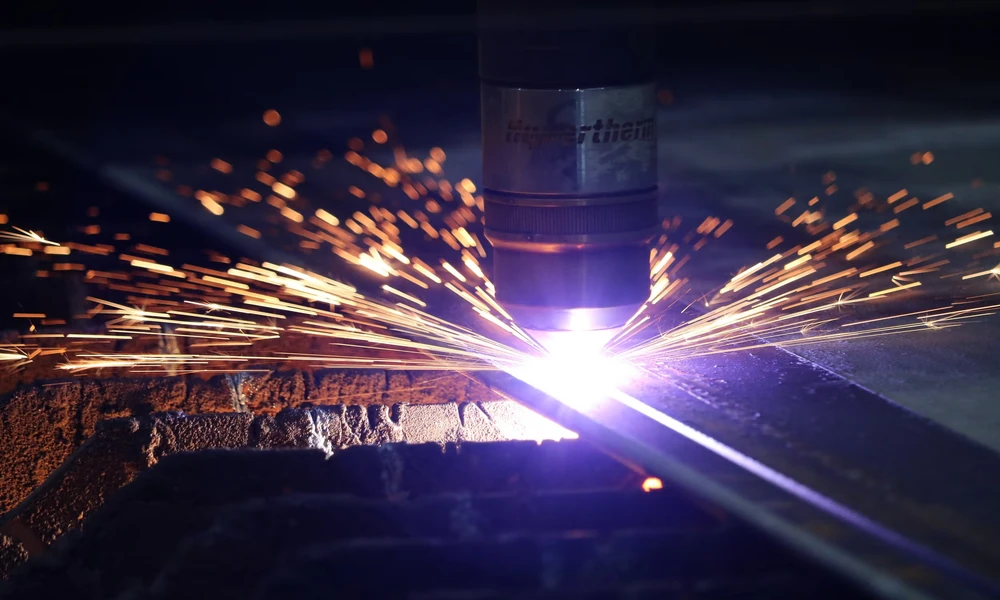
Walk into any fabrication yard, and you’ll notice something. Despite newer alloys and processed metals entering the market every few years, hot-rolled steel keeps holding its ground. It hasn’t been pushed aside, not even close. There’s a reason engineers, contractors, and manufacturers keep circling back to it, and this post tries to discuss why.
A Material That Has Aged Well
Steel processed at high temperature has been around for a long time, decades really, and instead of fading into irrelevance the way some older technologies do, it has adapted. Improvements in rolling mills, better quality control, and tighter tolerances have all kept hot-rolled steel current, useful, and hard to replace.
The Basics
Hot rolling happens above the recrystallisation temperature of the metal. This is what gives the final product its particular blend of strength and workability. Because there’s no need for the extra annealing step that cold-rolled steel requires, production stays quicker and, in most cases, cheaper too.
Strength Without the Price Tag
Cost is important and matters a lot in a country like India where infrastructure projects run on tight government budgets and private developers watch margins closely. Hot-rolled steel in India has managed to strike that balance of performance and affordability better than most alternatives.
Here’s what tends to draw people toward it:
- Lower per-unit cost compared to cold-rolled or specially treated steel
- Reduced fabrication time, since the metal is already softer and easier to shape
- Fewer processing steps overall, which keeps supply chains shorter
None of this means quality gets compromised. If anything, the strength-to-cost ratio is exactly why so many industries, from automotive to construction to agriculture, keep leaning on it.
Versatility Across Industries
It would be easy to assume this material stays confined to construction sites, but that assumption falls apart quickly once you look around.
Where You’ll Find It
- Construction: structural beams, roofing sheets, reinforcement bars
- Automotive: chassis components, wheel rims, structural panels
- Agriculture: trailer bodies, tractor parts, storage silos
- Manufacturing: machine frames, pipe production, industrial equipment
This kind of spread across sectors is rare. Most specialised materials serve one or two industries well and struggle elsewhere. Hot-rolled steel, though, adapts to whatever shape or purpose it’s asked to serve.
Why Indian Manufacturers Keep Coming Back
There’s a practical side to this, too. Manufacturing plants in India, particularly the larger flat steel facilities, have scaled up capacity in recent years, which means supply has become far more reliable than it used to be. When you’re running a factory or a construction firm, supply reliability isn’t a bonus; it’s a requirement.
Facilities like AM/NS India’s Hazira plant, with its integrated and modern rolling setup, are a good example of how domestic capacity has grown. A steady, large-scale supply chain keeps prices from swinging wildly, something that matters a great deal to businesses planning months or years ahead.
Grades That Match the Job
A big part of why hot-rolled steel in India does so well comes down to how many grades are actually available. IS 2062 E250 covers general structural needs. Need something for higher loads? E350 steps in. Because there’s almost always a grade built for the job at hand, procurement teams spend a lot less time second-guessing their choices.
AMNS HR Steel and What Sets It Apart
People who go looking for AMNS HR steel tend to want the same handful of things, like consistency and flatness. And a grade range broad enough that they’re not stuck calling five different suppliers for five different projects.
A few things stand out here:
- Coil thickness stays uniform, which means less material gets rejected during fabrication
- Flatness is strong enough to hold up during laser cutting and other precision-heavy work
- Grades cover construction, agriculture, and manufacturing without much overlap
- Large-scale production backs the supply chain, so delivery timelines don’t swing wildly
None of these is a minor convenience. Multiply them across a bulk order, and they start affecting cost, delay, and wastage in ways that add up fast.
The Bigger Picture
Materials trend in and out all the time. Some vanish quickly, others hang around a bit longer before fading out too. Hot-rolled steel hasn’t gone that route. It’s stuck around because it keeps solving the same real problems Indian industry keeps running into: cost, strength, availability, and adaptability. All of it, together.
Contractor putting up housing complexes? Is the manufacturer building farm equipment? Fabricator working on pipelines? This material tends to hold up across all of it. And when it’s sourced from a supplier known for AMNS HR steel specifically, that reliability becomes even harder to overlook.
Wrapping Up
There isn’t one single reason hot-rolled steel dominates the way it does; it’s really a combination of cost, versatility, and reliability that keeps industries from switching away. As hot-rolled steel in India continues to scale with growing manufacturing capacity, that dominance looks set to continue for a long while yet.